

Bővebben a filmről
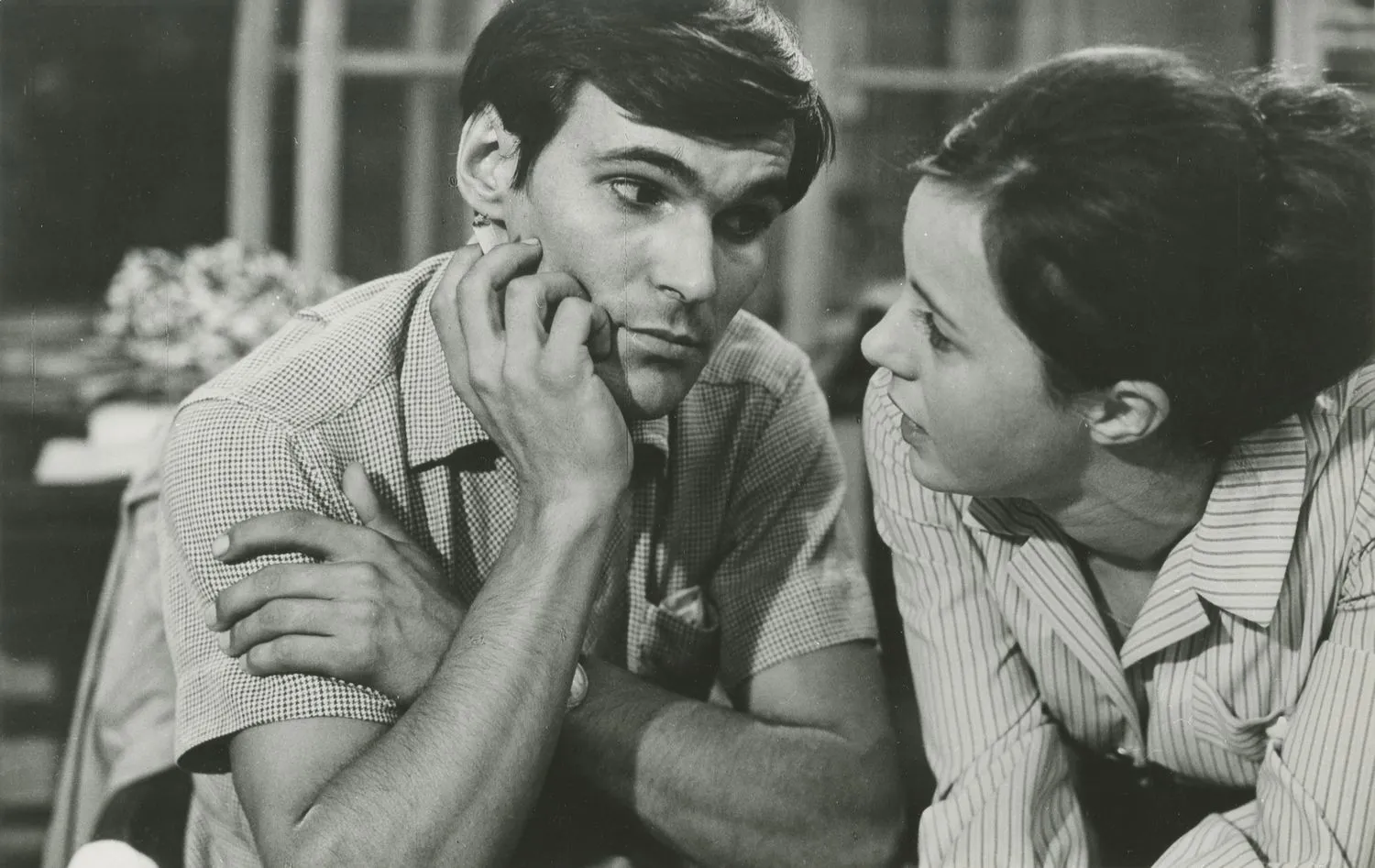
A milliós példányszámot elérő Kertész Ákos-regényből készült film egy meghasonlott munkásember története. Az ötvenes évek elején Makra az esküvőjén hirtelen felrúg maga körül mindent. Messze, albérletbe költözik és megismerkedik élete nagy szerelmével, az értelmiségi Valival (Csomós Mari). A stabil családi életre vágyó férfi nem tud a lázadni és vezetni kívánó lány mellett sem megmaradni. A forradalmár Vali 1956-ban menni kényszerül, Makra nem megy vele, de nem tudja megbocsátani magának, hogy lemondott róla. A filmet két évig dobozban tartották, majd átvágták, az 1956-os jeleneteket lerövidítették, csak Nyugaton mutatták be a teljes változatot, amit a friss restaurálás helyreállított.
This adaptation of the bestseller novel by Ákos Kertész is the story of a flawed man at odds with himself. In the early 1950s, Makra suddenly begins to break up everything around him at his wedding. He moves out to distant rented accommodation where he meets his one great love, the intellectual Vali (Mari Csomós). Yearning for a stable family life, the man finds he is unable to coexist happily with the girl who is at heart a rebel and a leader. During the uprising of 1956, activist Vali is forced to leave but Makra does not go with her; however, he is unable to forgive himself for giving up on her. The film was sealed in the cans for two years, then heavily edited, the 1956 scenes were shortened and the full version was only screened in the west. The newly restored version corrects this.
Kísérőfilmek / supporting films:
MFH 1956/41 október
Hungarian Film News 1956/41 October
fekete-fehér magyar filmhíradó, 1956, magyar hang, angol felirat, 12’
Hungarian Film News, bw, 1956, Language: Hungarian, Subtitles: English, 12’
Gitáros fiú a Régi Képtárban
Young Man Playing the Guitar at the Old Masters' Gallery
Színes magyar animáció, 1964, r: Kovásznai György, szöveg nélkül, 7’
Hungarian animation, colour, 1964, dir: György Kovásznai, No Dialogue, 7’
Egy apró, fehér ruhás gitározó fiatalember, egy hatalmas ülő női akt és Korniss Dezső képzőművész absztrakt festményei kerülnek egy kompozícióba Kovásznai György második rendezésében. A film 1964-ben nem kapott forgalmazási engedélyt, első nyilvános bemutatója 1988-ban volt. A betiltás oka vélhetőleg az lehetett, hogy a dekadensnek titulált kortárs rockzenét (amit Sztevanovity Zorán és együttese komponált) és nyugati individualizmust (az önnönmagában gyönyörködő molett női alak) megjelenítő film homlokegyenest szembement a szocialista ideológia által propagált dolgozó ember eszményével. Az anekdota szerint a film elkészülte után Aczél György személyesen „javasolta” a rendezőnek, hogy „ne pazarolja tehetségét burzsoá szimbólumok megfilmesítésére.”
A miniature, guitar-playing young man dressed in white, a large, seated nude and abstract paintings by Dezső Korniss are brought together in a single composition in this, György Kovásznai’s second direction. The film was refused a distribution licence in 1964, so its first public screening only took place in 1988. It has been suggested that the reason for the ban was that the picture featuring ‘decadent’ contemporary rock music (composed by Zorán Sztevanovity and band) and Western individualism (the plump figure of the nude admiring herself) went against the notion of the working person propagated by socialist ideology. The story is that after the film was finished, culture policy supremo György Aczél personally ‘advised’ the director ‘not to waste his talent filming bourgeois symbols’.